Hemlock Removal in Honolulu, HI
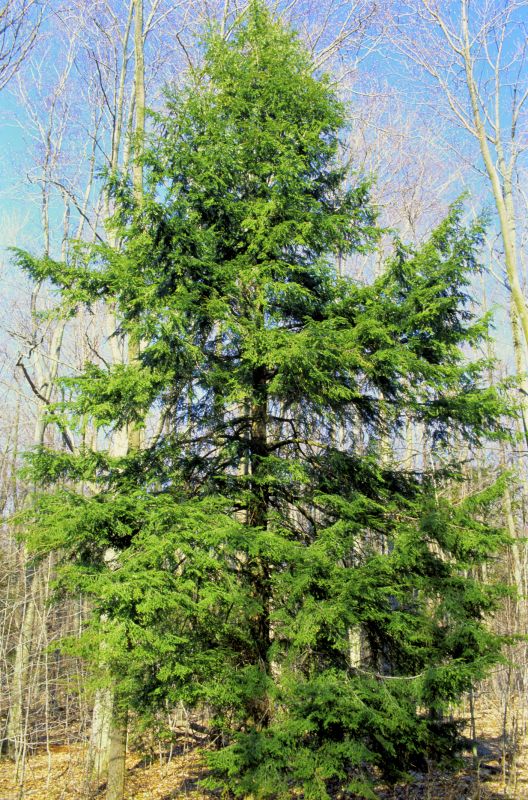
Hemlock removal services involve the careful elimination of hemlock trees that may pose risks to property or safety. This process typically includes assessing the health and stability of the trees, then safely cutting and removing them to prevent potential hazards such as falling limbs or root damage. Projects can range from removing a single problematic hemlock to clearing multiple trees across a landscape, especially in areas where overgrowth or disease threatens the surrounding plants and structures.
Homeowners interested in hemlock removal often want to understand the scope of the work, including how the trees will be safely removed and what impact it might have on their property. It’s important to consider factors such as the size and location of the trees, the potential for re-growth, and any necessary cleanup afterward. Contacting a professional can help clarify these considerations and ensure the removal process is handled efficiently and safely.
Many property owners in Honolulu, HI look into Hemlock Removal for repairs, replacements, upgrades, and appearance-related improvements.
Benefits Of Hemlock Removal
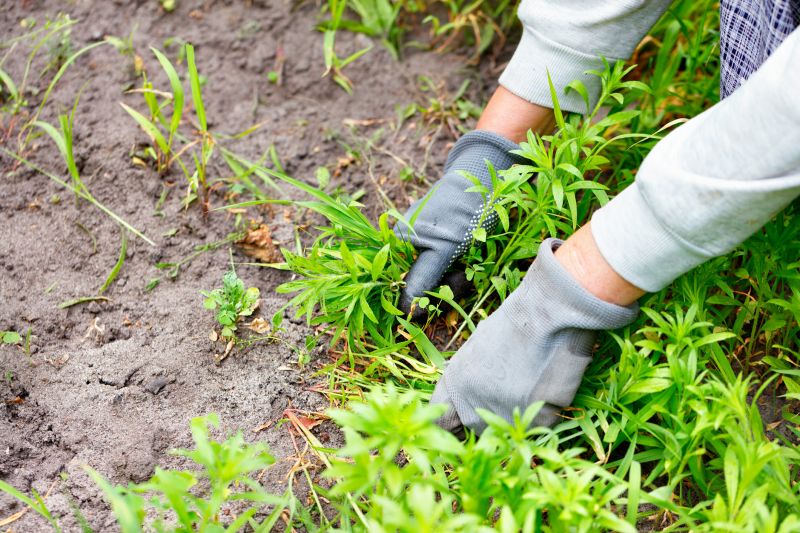
Removing hemlocks can improve safety and enhance the appearance of your property.
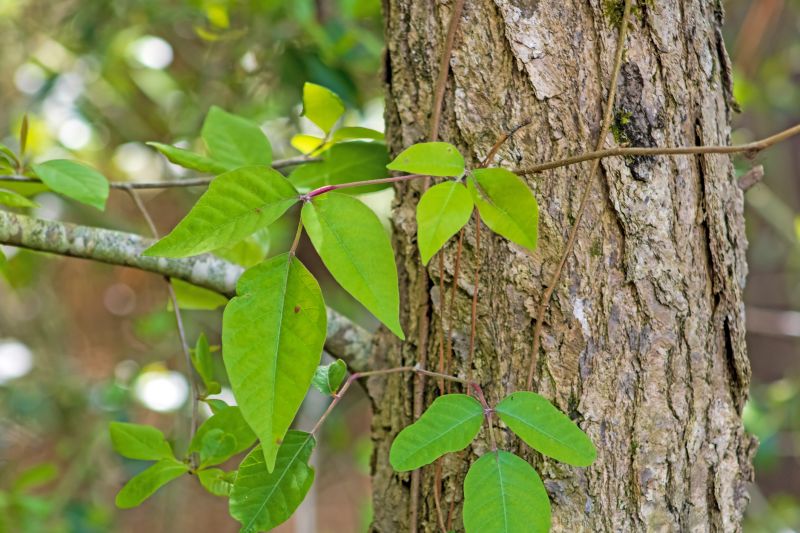
Signs You Need Hemlock Removal
Dying or damaged trees, leaning branches, or pest infestations are common indicators for removal.
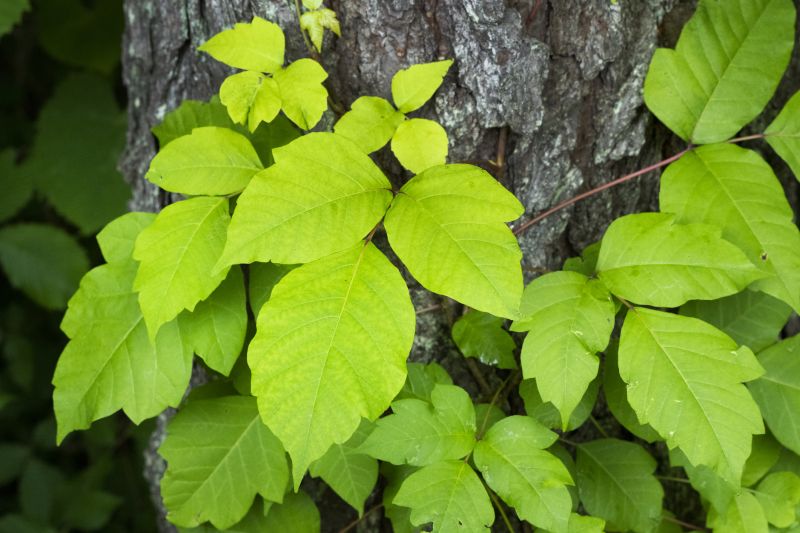
Proper Hemlock Disposal Methods
Professional removal ensures safe and environmentally responsible disposal of cut trees and debris.
Hemlock Removal in Honolulu, HI

Hemlock removal services involve the careful elimination of hemlock trees that may pose risks to property or safety. This process typically includes assessing the health and stability of the trees, then safely cutting and removing them to prevent potential hazards such as falling limbs or root damage. Projects can range from removing a single problematic hemlock to clearing multiple trees across a landscape, especially in areas where overgrowth or disease threatens the surrounding plants and structures.
Homeowners interested in hemlock removal often want to understand the scope of the work, including how the trees will be safely removed and what impact it might have on their property. It’s important to consider factors such as the size and location of the trees, the potential for re-growth, and any necessary cleanup afterward. Contacting a professional can help clarify these considerations and ensure the removal process is handled efficiently and safely.
Many property owners in Honolulu, HI look into Hemlock Removal for repairs, replacements, upgrades, and appearance-related improvements.
Common Hemlock Removal Jobs
Hemlock Removal - Removing invasive hemlock trees to protect native landscapes and improve property safety.
Hazard Tree Removal - Identifying and removing dead or unstable hemlocks that pose risks to structures and people.
Selective Tree Removal - Carefully removing specific hemlocks to enhance yard aesthetics and prevent overgrowth.
Stump Grinding - Eliminating remaining hemlock stumps to prevent regrowth and create safe, level ground.
Invasive Species Control - Managing hemlocks to prevent spread and protect surrounding native plants.
Property Clearing - Clearing overgrown hemlocks to improve visibility, access, and overall landscape health.
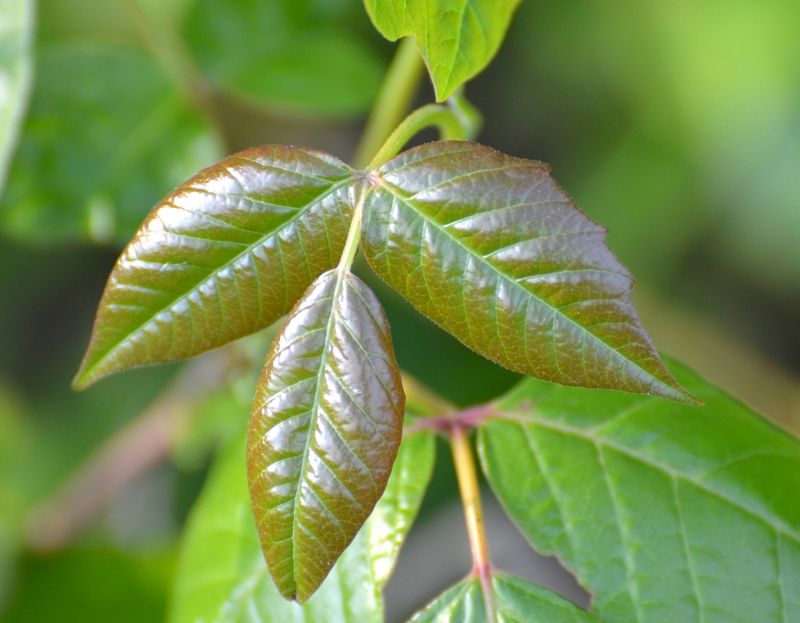
Hemlock Removal Questions
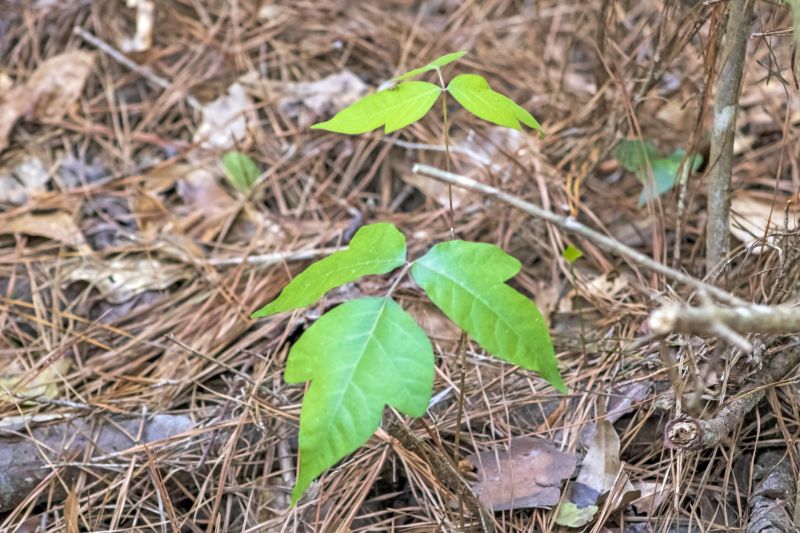
Why should Hemlock trees be removed? Hemlock removal may be necessary if the trees pose a risk to property or health due to disease, damage, or instability.
What signs indicate a Hemlock tree needs removal? Signs include dead or dying foliage, structural damage, or pest infestations affecting the tree’s stability.
Is Hemlock removal safe for the surrounding landscape? Proper removal techniques minimize impact on nearby plants and property, ensuring safety and preserving the landscape.
What types of properties typically request Hemlock removal? Residential yards, commercial properties, and public spaces often seek Hemlock removal to maintain safety and aesthetics.
Request Hemlock Removal in Honolulu, HI
Use the quote form on this page to share the basics of your project and request more information for the type of work you need.